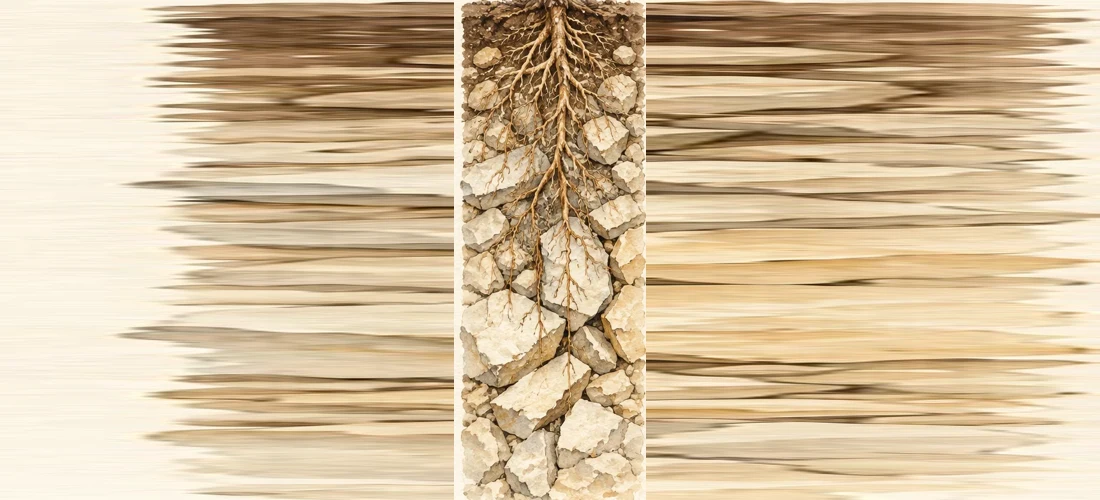
soil
Limestone
Balanced water supply may support steady ripening.
a tasting journal · volume i
New World
Five destinations, one glass at a time. Scroll on, explorer — the route is already drawn.
scan this
destination I
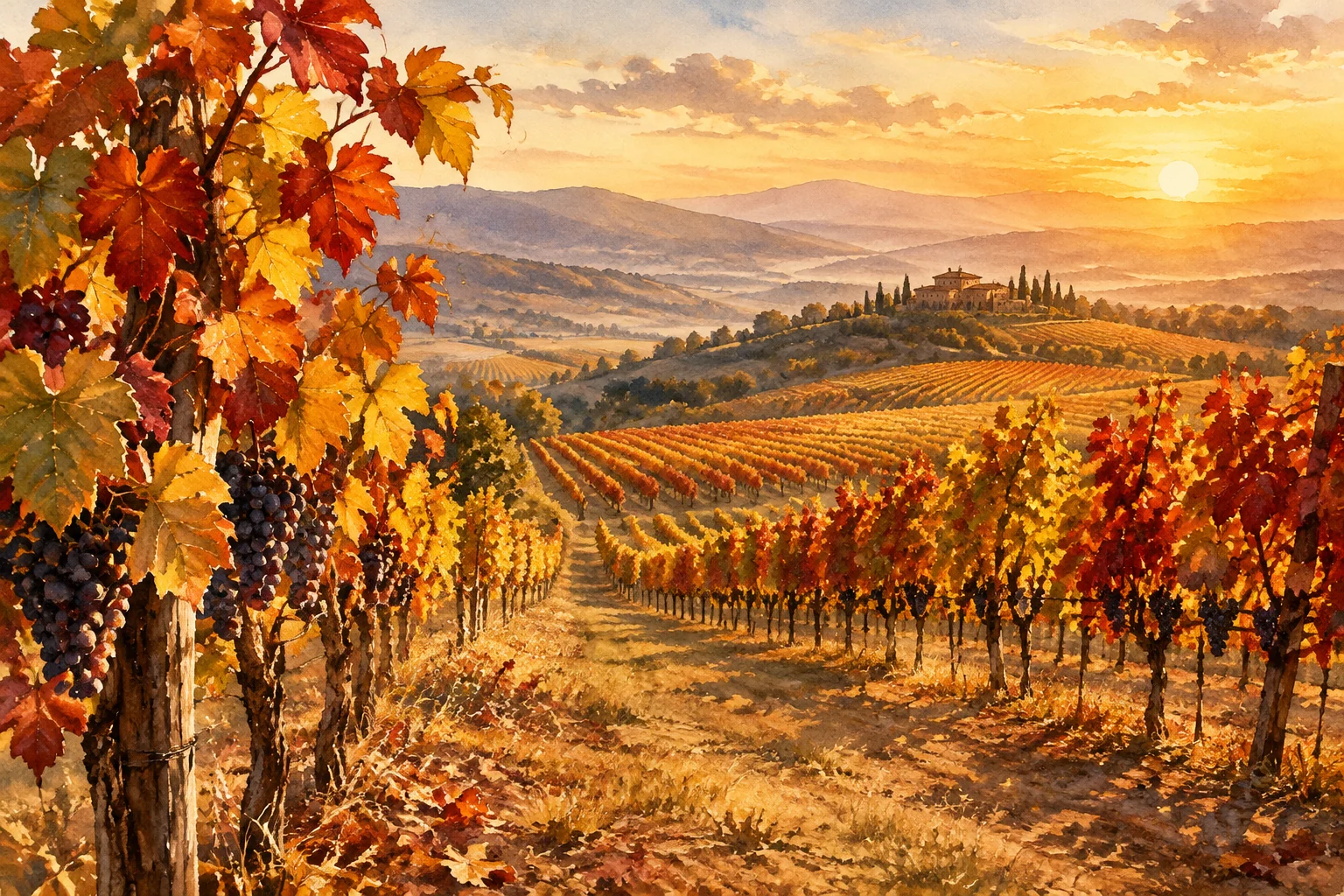
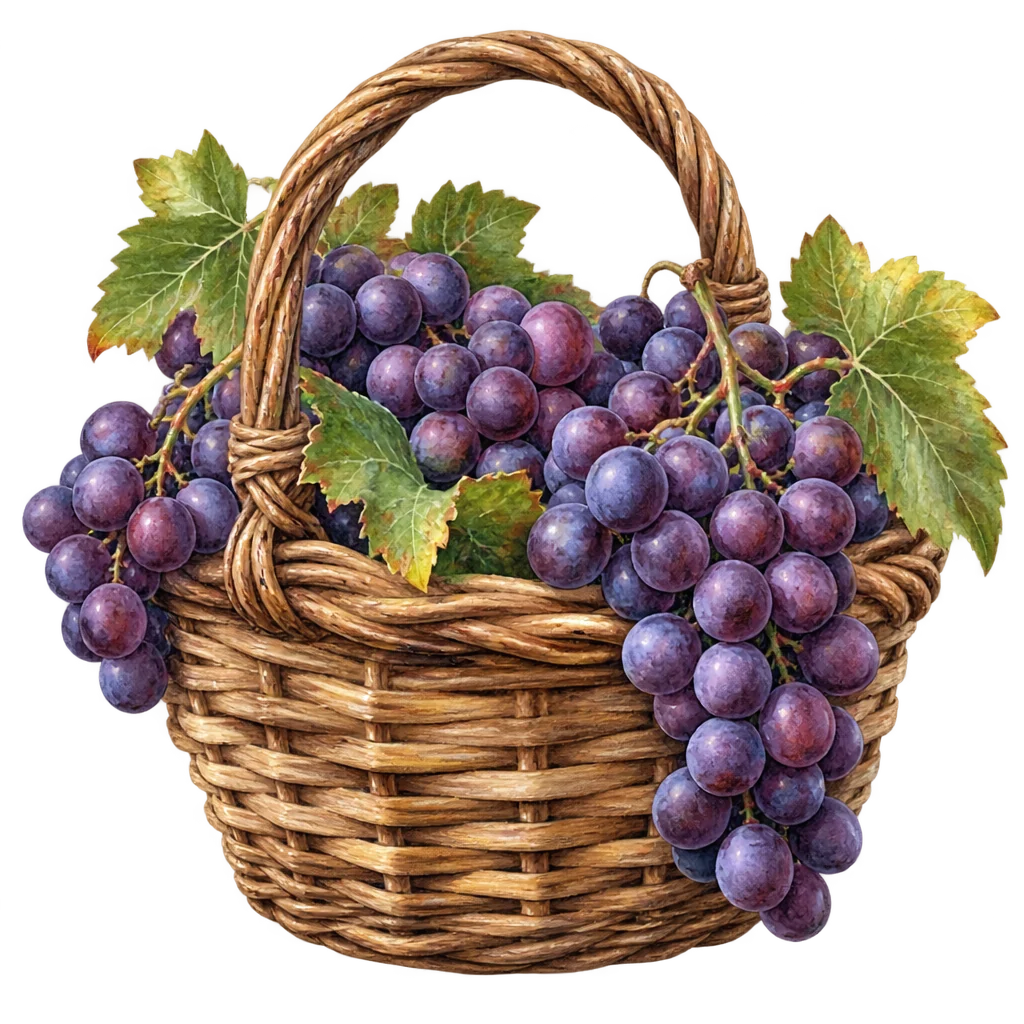
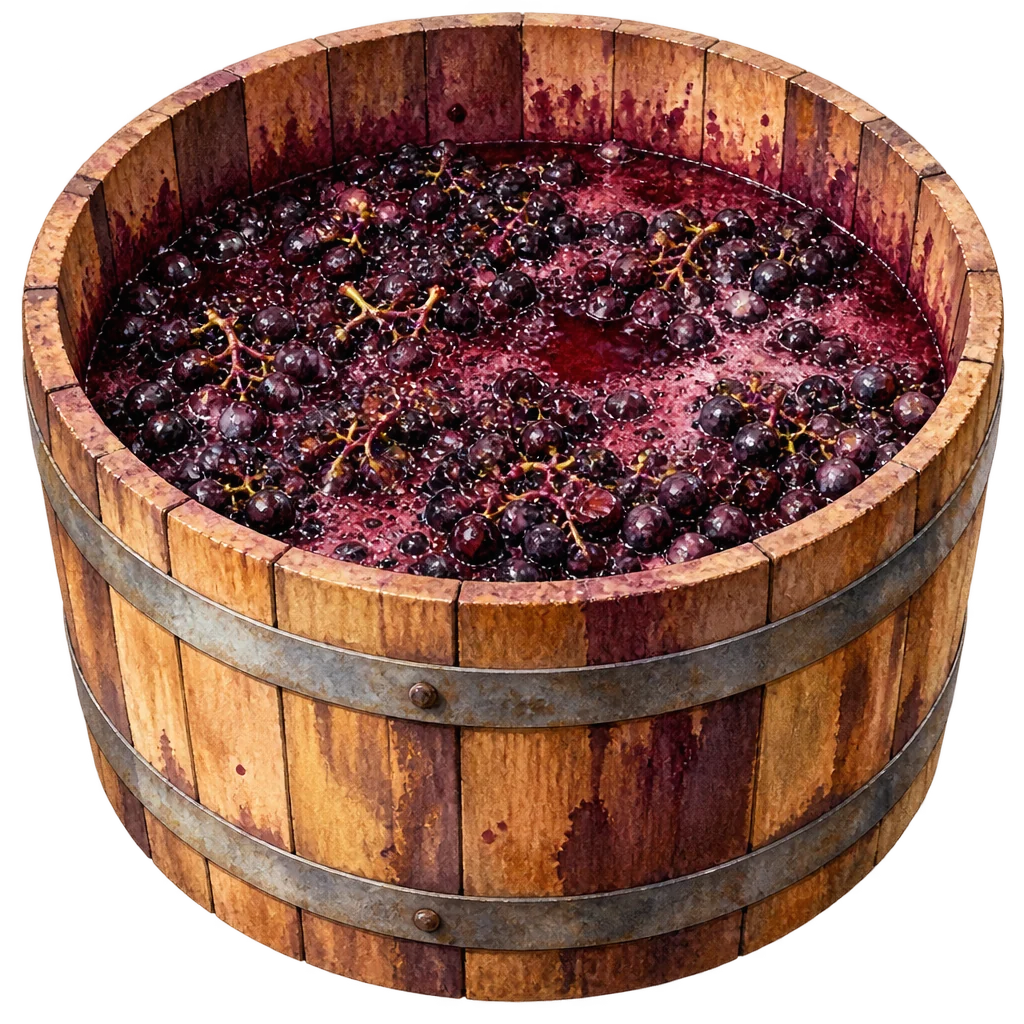
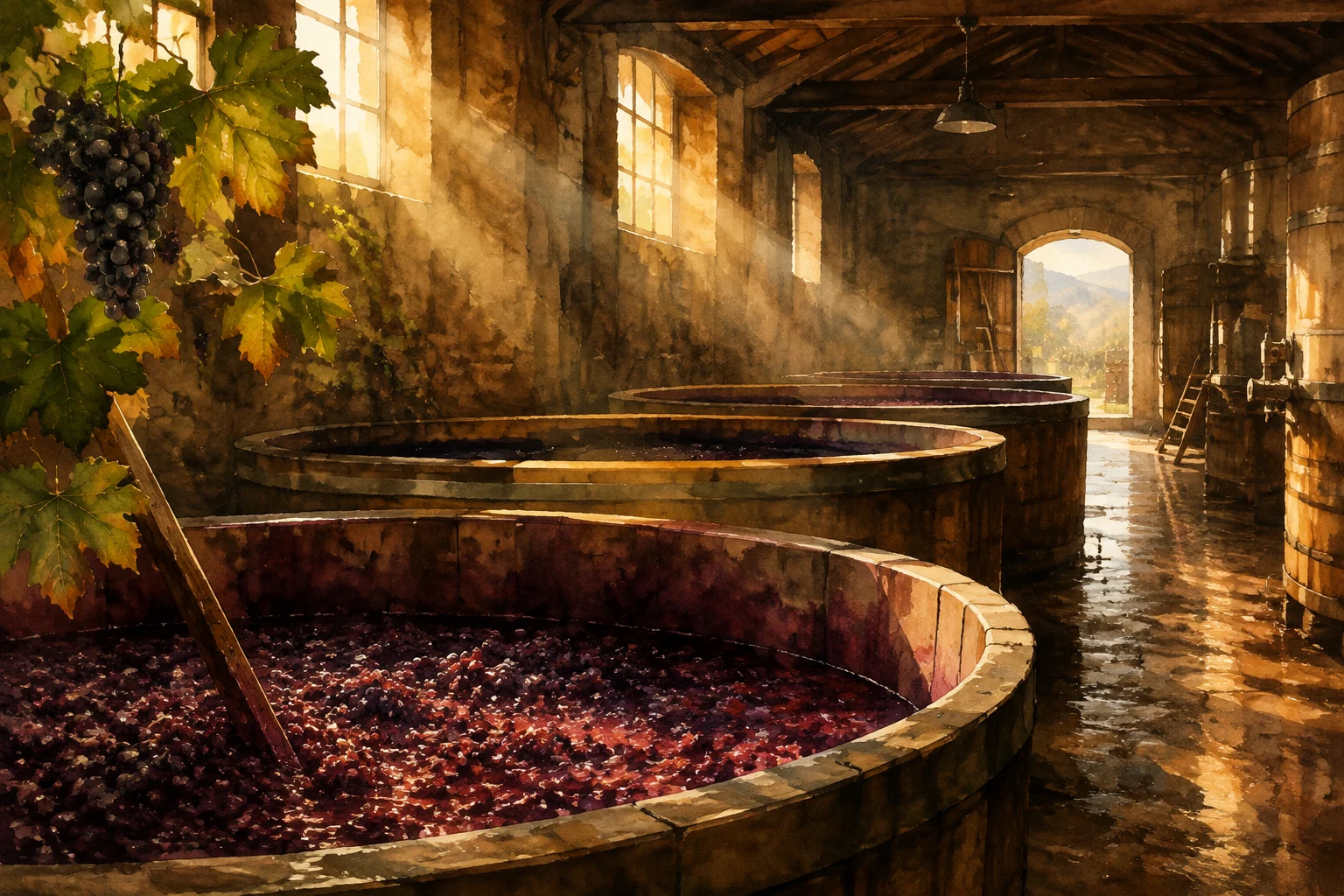
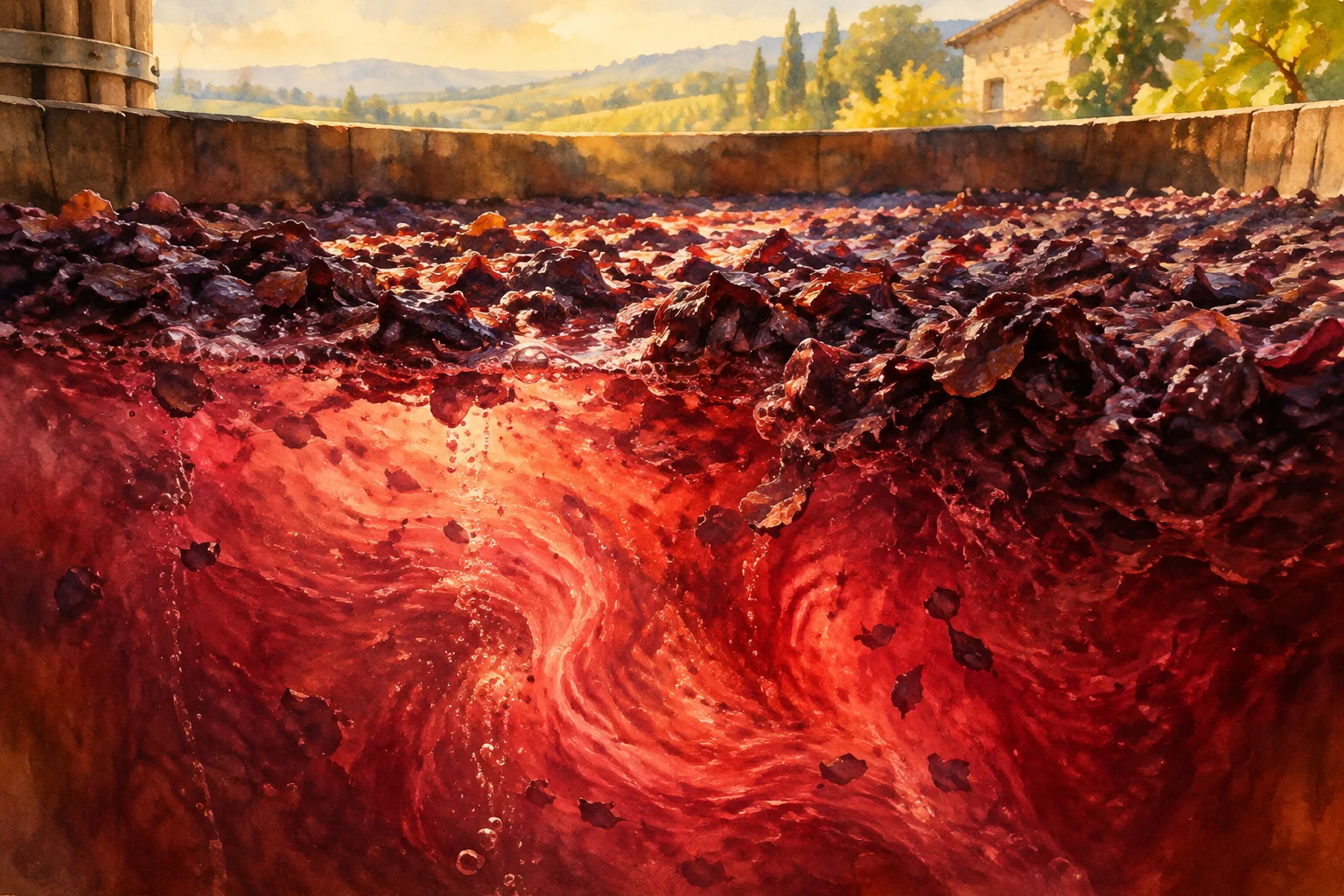
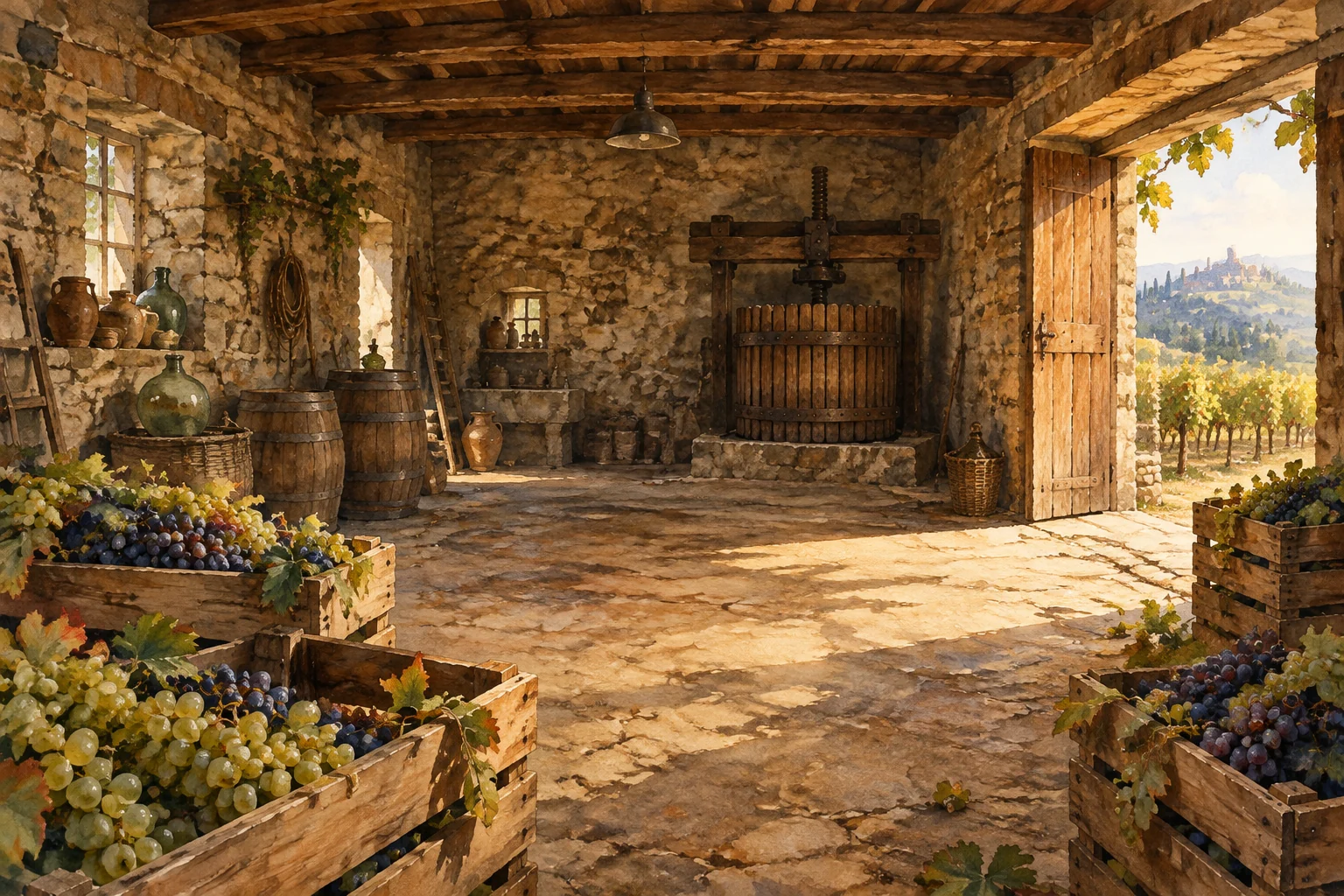
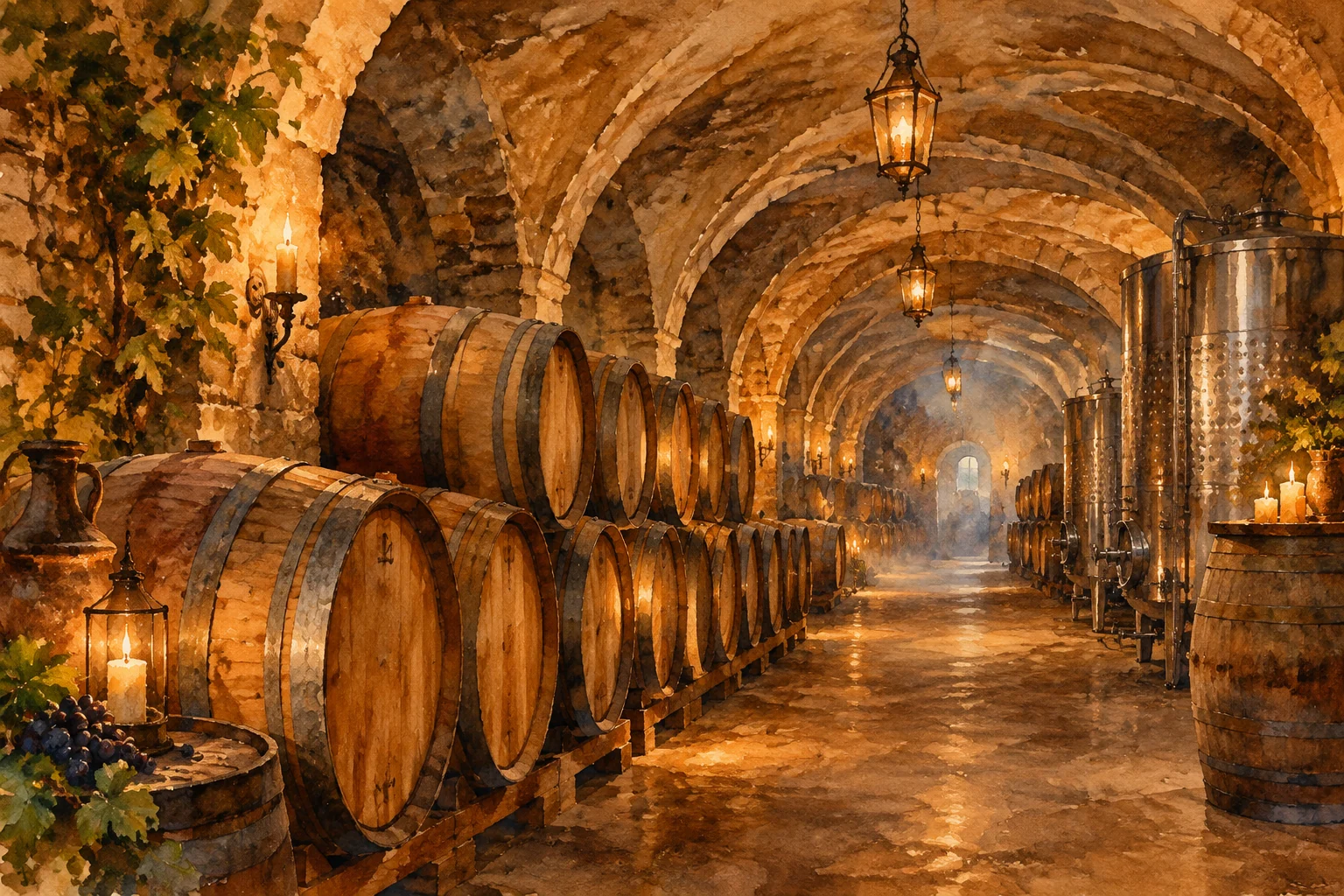
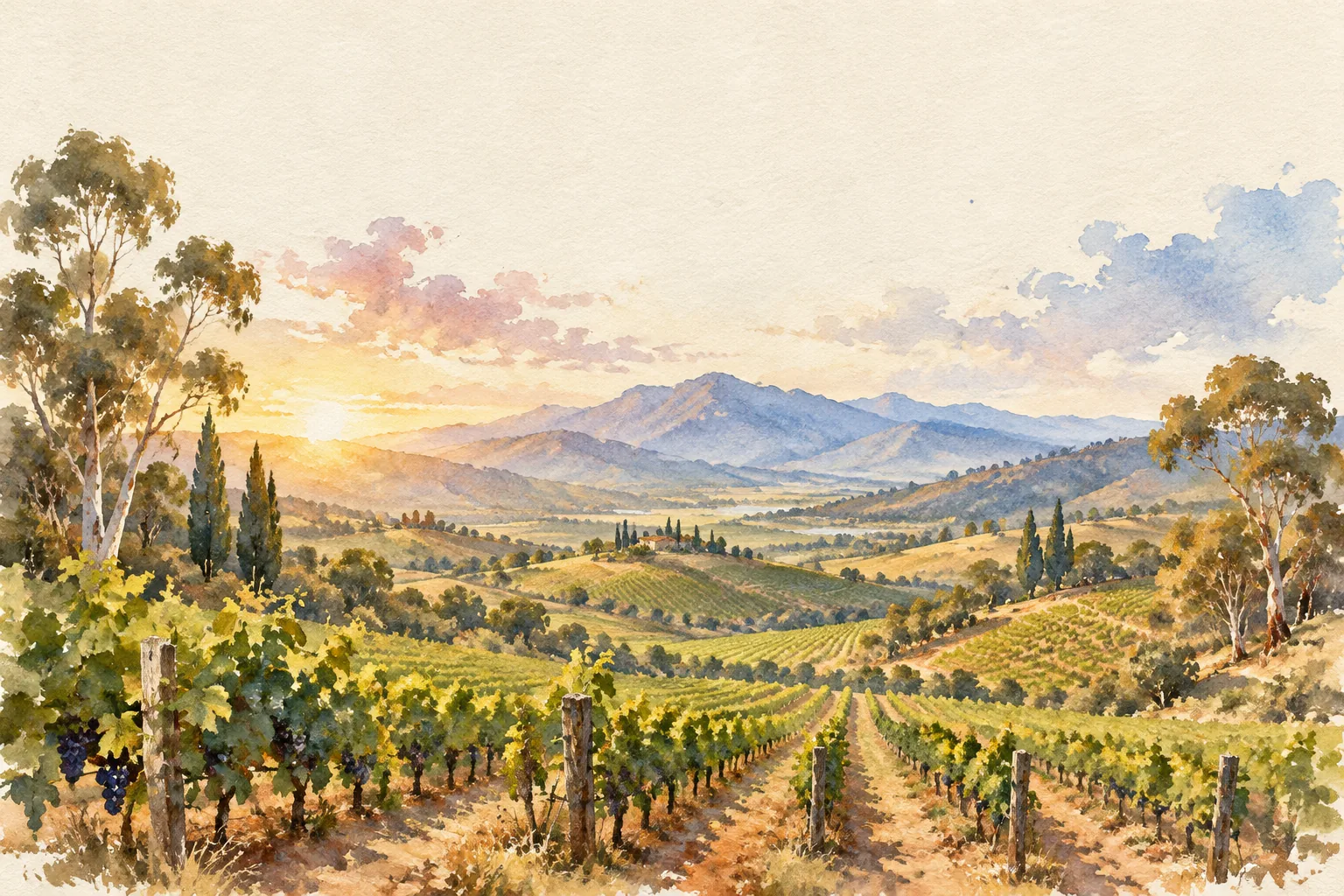
From vine to vessel — how fruit becomes wine.
ever wondered how grapes become wine?
Tap play — the painting above comes to life, one step at a time.
about 2 minutes · sound on
destination II
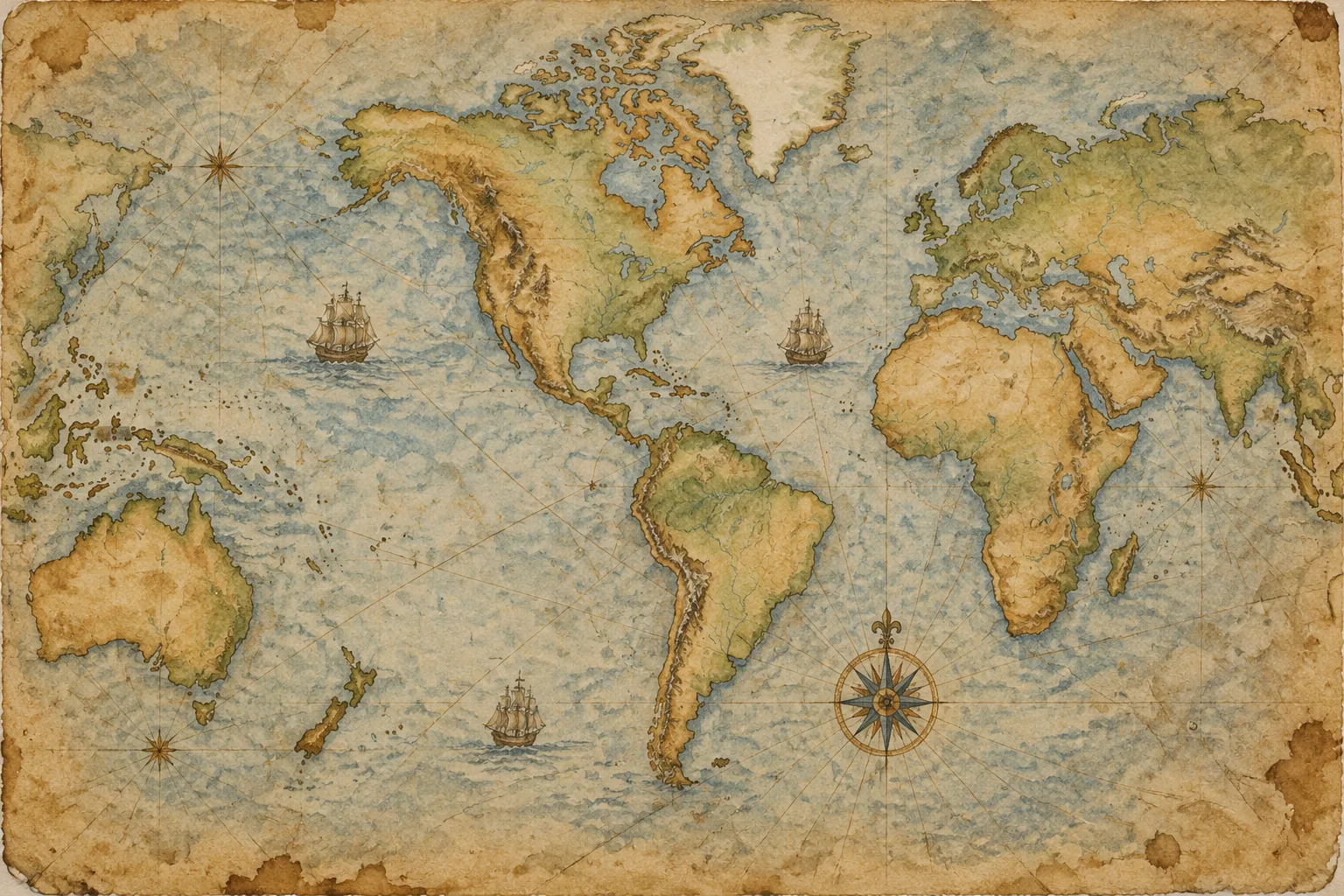
Drag through 8,000 years of wine history on a living map.
unrolling the map…
c. 6000–4500 BCE
DNA suggests grapevines were domesticated twice, in the South Caucasus and Western Asia. Clay jars here hold the oldest traces of wine.
destination III
Soil, sun and sea against the winemaker's hand.
soil
Balanced water supply may support steady ripening.
altitude
A balance of ripeness and freshness is possible.
ocean
Riper fruit or fresh acidity, depending on the daily temperature swing.
climate
Ripe berry fruit · balanced acidity · medium body.
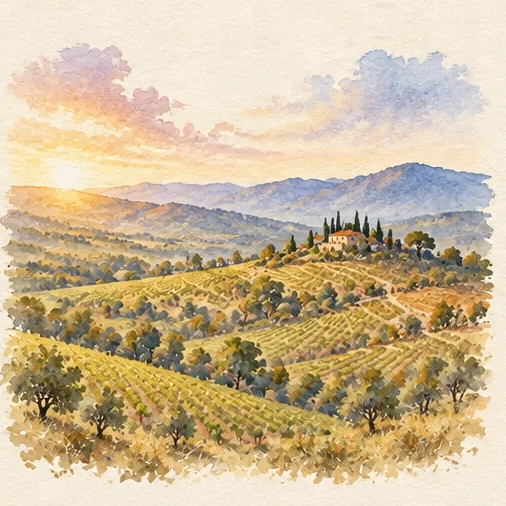
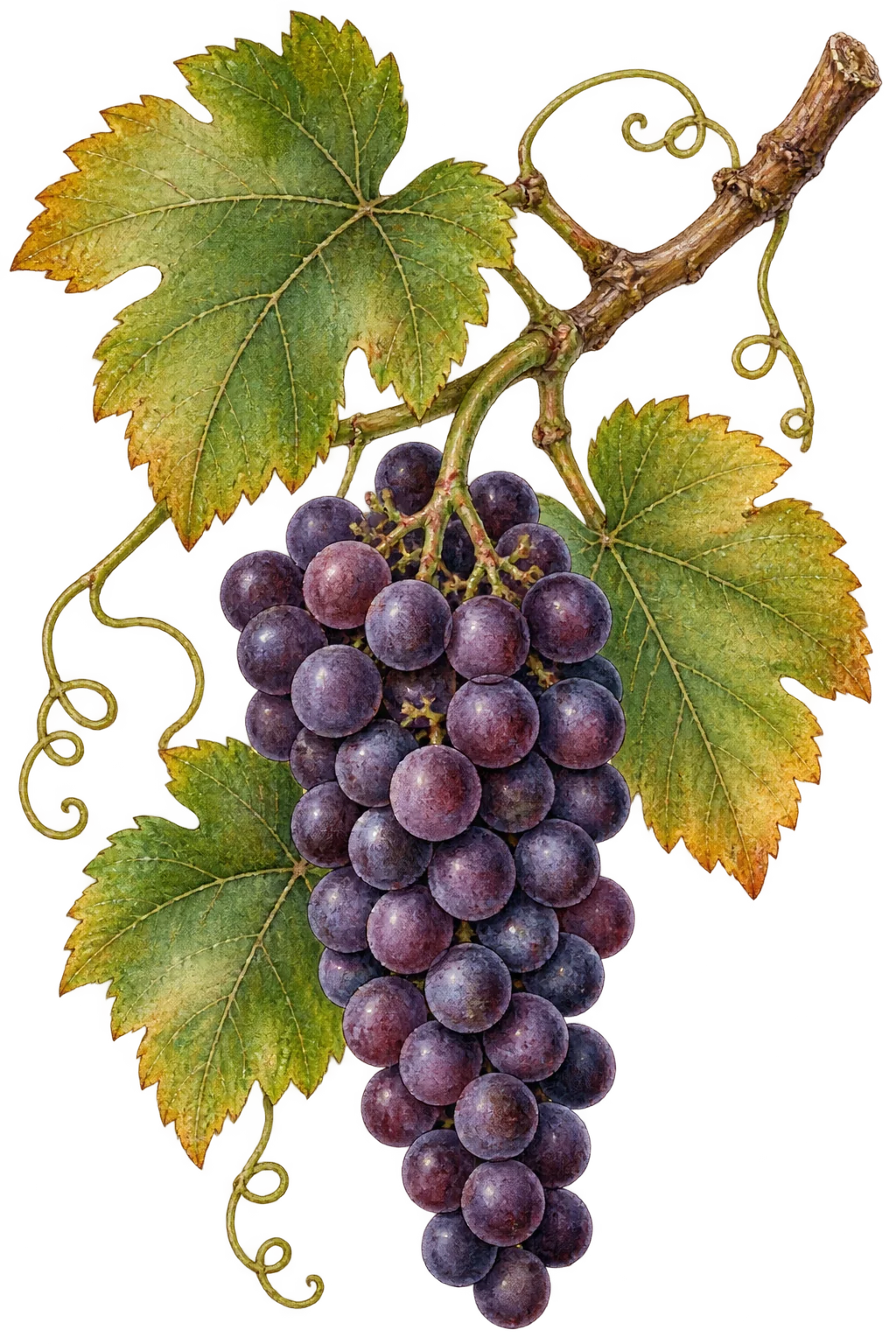
Cabernet Sauvignon
Limestone beneath the vine
Hillside · Inland
Moderate season
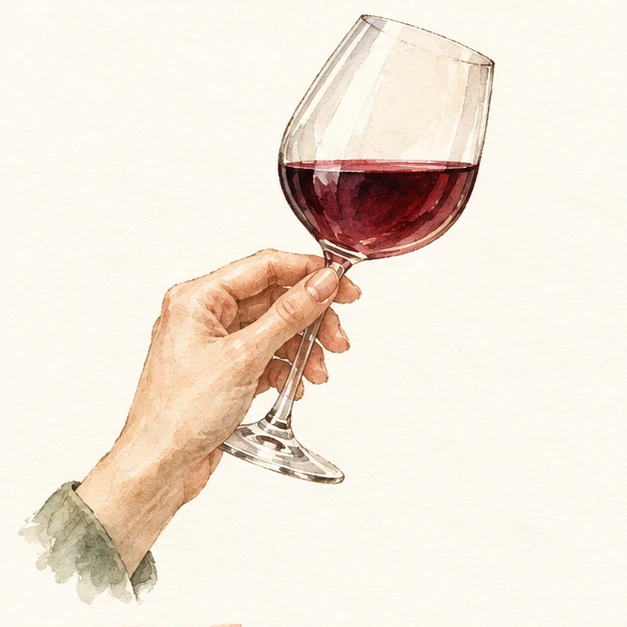
Tilt your glass against a light background. Observe the color, clarity and intensity.
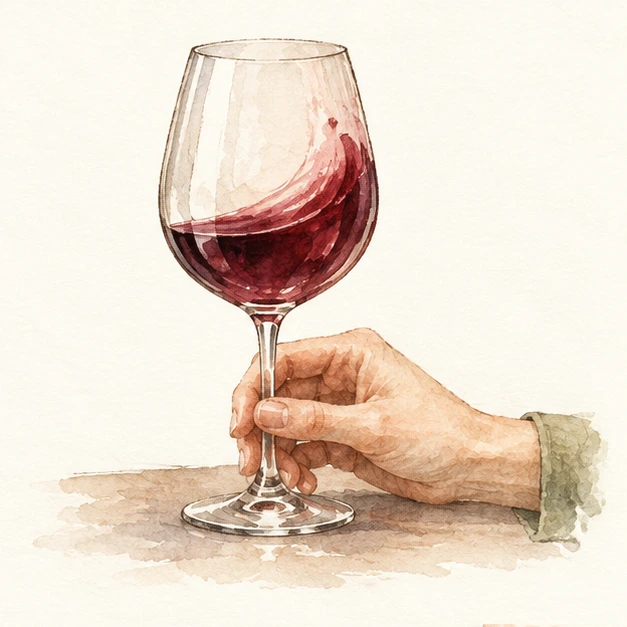
Gently swirl the wine to release its aromas and expose it to oxygen.
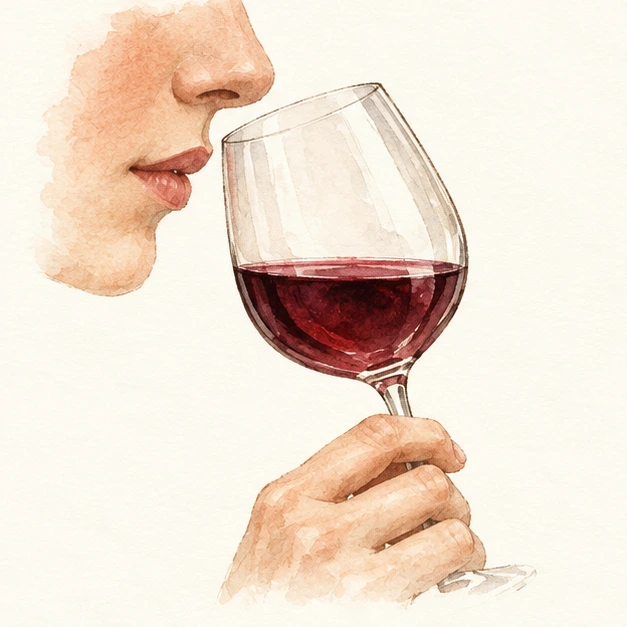
Take a gentle sniff. Look for fruit, flowers, spices, herbs or earthy aromas.
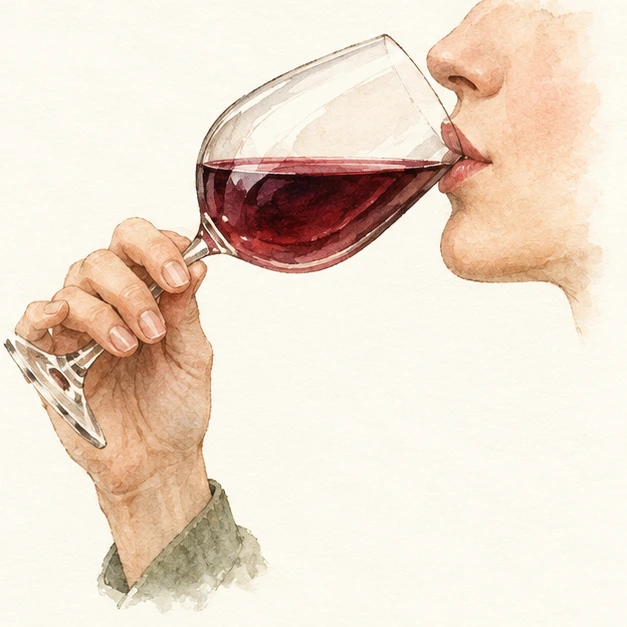
Notice the sweetness, acidity, tannins, body, flavors and lingering finish.
“There is no right or wrong aroma. Pay attention to what you experience, not what you think you should experience.”
destination IV
Six countries, six wines, six stories — travel from the globe to your glass.
unrolling the atlas…
Six countries · six wines · tap a bottle to travel
destination V
Mapping your own palate.